Jan. 8, 2026
Dona Carter and I have been making pilgrimages and expeditions to sacred sites throughout the world periodically since March of 1987, when we traveled throughout Europe and the Mediterranean, visiting museums and archaeological sites in Spain, France, Italy, Greece and Crete. Since then, our travels have taken us to Peru, Guatemala, Ecuador, and several times, to Mexico’s Yucatán Peninsula. I have journaled each of these journeys, and taken many photos, which I eventually intend to publish in book form. I have included excerpts from these “Legendary Journeys” in several of my books: The Wizard & the Witch (2014; 2021), That Undiscover’d Country (2021), and Hystory’s Mysteries (2024).
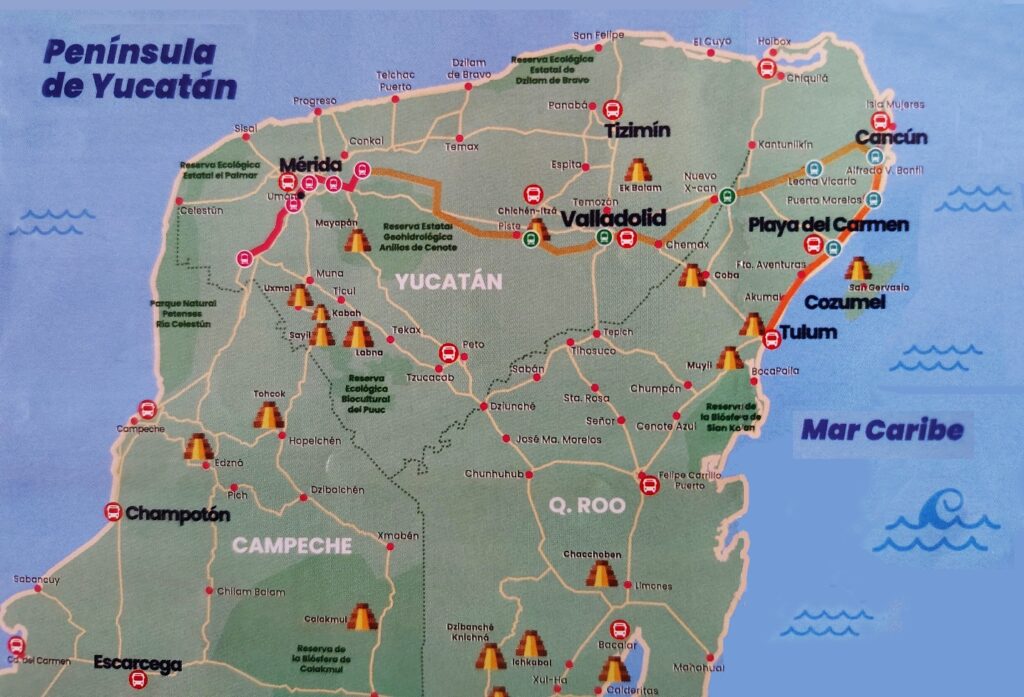
1. Yucatan Peninsula
We have now returned to the Maya Yucatán, staying for a few days in the city of Valladolid, while we explore local pyramids and cenotes. (A cenote is an open sinkhole, caused when a collapse of limestone bedrock exposes groundwater flowing beneath. Cenotes are unique to the Yucatán Peninsula, where the ancient Maya used them for water, and occasionally for sacrificial offerings. A complex system of caverns connecting the cenotes are the result of the comet impact 66 million years ago that killed the dinosaurs and 95% of all life on Earth. The impact site was on the northwest Yucatán coast, where the city of Merida now stands, and it sent cracks throughout the coral peninsula, into which water flowed as with any other limestone caves. And the resulting interconnected cavern complex constitutes the Mayan Underworld of Xibalba.)
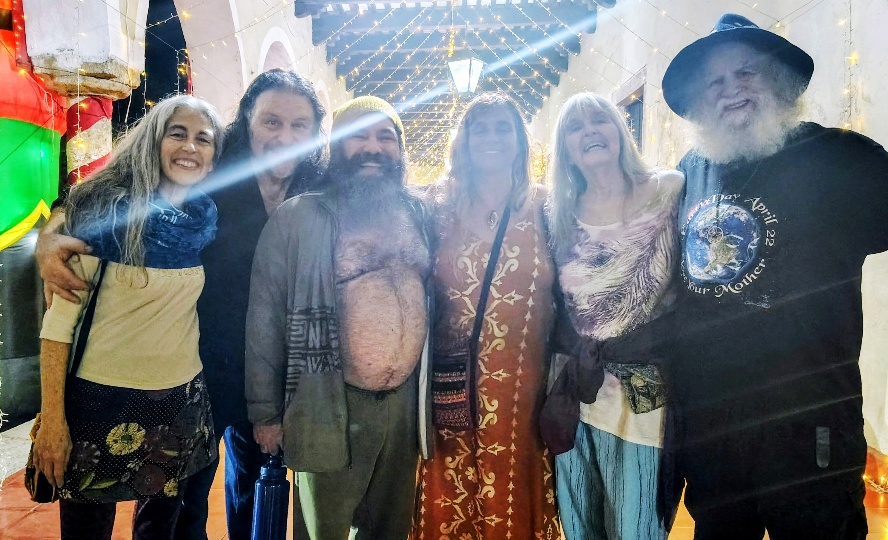
2. Beth, Diego, Sundance, Jiva, Dona, OZ
Continued in “Yucatán Pilgrimage: Day 1”